Transform Your Space with Our ADA Assessment Resources

Creating an accessible environment is not just a legal requirement; it’s a moral obligation. The Americans with Disabilities Act (ADA) sets forth guidelines to ensure that individuals with disabilities can navigate spaces with ease and dignity. Whether you are a business owner, a property manager, or simply someone looking to enhance your home, understanding ADA compliance can transform your space into a welcoming environment for everyone.
In this post, we will explore the importance of ADA assessments, the resources available to help you achieve compliance, and practical steps you can take to make your space more accessible.
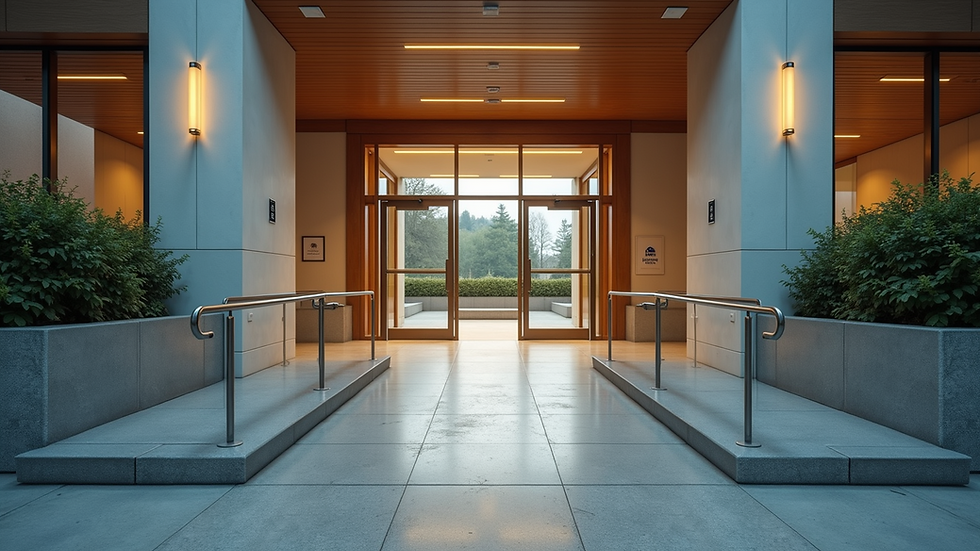
Understanding the Importance of ADA Compliance
The Legal Framework
The ADA was enacted in 1990 to prohibit discrimination against individuals with disabilities in all areas of public life. This includes jobs, schools, transportation, and all public and private places open to the general public. Understanding the legal framework is crucial for anyone responsible for a public space.
Benefits of Accessibility
Inclusivity: Making your space accessible allows everyone to participate fully, fostering a sense of community.
Increased Customer Base: By accommodating individuals with disabilities, you can attract a wider audience, enhancing your business's reputation and profitability.
Avoiding Legal Issues: Non-compliance can lead to lawsuits, fines, and damage to your reputation. Ensuring your space meets ADA standards protects you legally.
What is an ADA Assessment?
An ADA assessment is a comprehensive evaluation of your space to determine its compliance with ADA standards. This assessment identifies barriers that may prevent individuals with disabilities from accessing your facilities.
Key Components of an ADA Assessment
Entrances and Exits: Are doorways wide enough? Are ramps available where necessary?
Restrooms: Are there accessible stalls? Is there appropriate signage?
Pathways: Are walkways clear of obstacles? Is there adequate lighting?
Parking: Are there designated accessible parking spaces?
Resources for Conducting an ADA Assessment
Professional Services
Hiring professionals who specialize in ADA compliance can provide you with a thorough assessment. These experts will not only identify issues but also offer solutions tailored to your specific space.
Self-Assessment Tools
If you prefer a DIY approach, several resources are available online to guide you through the assessment process. The ADA National Network provides checklists and guidelines that can help you evaluate your space effectively.
Community Resources
Local organizations often offer workshops and resources to help businesses understand ADA compliance. Engaging with these organizations can provide valuable insights and support.
Practical Steps to Enhance Accessibility
1. Evaluate Your Space
Start by conducting an initial evaluation of your space. Use the self-assessment tools mentioned earlier to identify areas that need improvement.
2. Make Necessary Modifications
Once you have identified barriers, prioritize modifications based on urgency and impact. Here are some common modifications:
Install Ramps: Ensure that all entrances are accessible with ramps that meet ADA specifications.
Widen Doorways: If doorways are too narrow, consider widening them to accommodate wheelchairs.
Add Signage: Use clear, easy-to-read signage to guide individuals with disabilities.
3. Train Your Staff
Educate your staff about ADA compliance and the importance of accessibility. Training can include how to assist individuals with disabilities and understanding the layout of your accessible features.
4. Gather Feedback
After making modifications, seek feedback from individuals with disabilities. Their insights can help you identify any remaining barriers and improve the overall experience.
Case Studies: Successful Transformations
Example 1: A Local Restaurant
A local restaurant faced complaints regarding accessibility. After conducting an ADA assessment, they made several changes, including installing a ramp, widening doorways, and redesigning their restroom facilities. As a result, they not only improved their compliance but also saw an increase in customers who appreciated the inclusive environment.
Example 2: A Community Center
A community center recognized the need for accessibility improvements. They engaged a professional service to conduct an ADA assessment. The center implemented changes such as adding accessible parking spaces and improving signage. The feedback from the community was overwhelmingly positive, and the center became a hub for inclusive events.
The Future of Accessibility
As society continues to evolve, so too do the standards for accessibility. Keeping abreast of changes in ADA regulations is essential for maintaining compliance. Regular assessments and updates to your space will ensure that it remains welcoming for all individuals.
Technology and Accessibility
Advancements in technology are also playing a significant role in enhancing accessibility. From apps that guide individuals through public spaces to smart devices that assist with navigation, the future looks promising for those advocating for accessibility.
Conclusion
Transforming your space to be ADA compliant is not just about meeting legal requirements; it’s about creating an environment where everyone feels welcome. By utilizing available resources, conducting thorough assessments, and making necessary modifications, you can significantly enhance accessibility in your space.
Take the first step today. Evaluate your space, seek professional help if needed, and commit to making your environment accessible for all. Your efforts will not only benefit individuals with disabilities but will also enrich your community as a whole.


Comments