Navigating ADA Codes: Building Accessibility Made Easy

Creating spaces that are accessible to everyone is not just a legal requirement; it’s a moral imperative. The Americans with Disabilities Act (ADA) sets forth guidelines that ensure individuals with disabilities can access public spaces, services, and facilities. Understanding these codes can seem daunting, but with the right approach, navigating ADA compliance can be straightforward and manageable. This guide will break down the essential aspects of ADA codes, providing practical insights to help you build accessible environments.

Understanding the ADA
The Americans with Disabilities Act was enacted in 1990 to prevent discrimination against individuals with disabilities. The ADA covers a wide range of areas, including employment, public services, public accommodations, and telecommunications.
Key Titles of the ADA
Title I: Employment
This title prohibits discrimination against individuals with disabilities in the workplace. Employers are required to provide reasonable accommodations to employees who need them.
Title II: Public Services
This title ensures that state and local governments provide equal access to services and programs for individuals with disabilities.
Title III: Public Accommodations
This title mandates that businesses and nonprofit organizations that serve the public must be accessible to individuals with disabilities.
Title IV: Telecommunications
This title requires that telephone and internet companies provide services that are accessible to individuals with hearing and speech disabilities.
Importance of ADA Compliance
Complying with ADA codes is crucial for several reasons:
Legal Protection: Non-compliance can lead to lawsuits and financial penalties.
Inclusivity: Accessible spaces foster a sense of belonging for everyone.
Market Reach: By accommodating individuals with disabilities, businesses can tap into a broader customer base.
Key ADA Accessibility Guidelines
The ADA Accessibility Guidelines (ADAAG) provide specific standards for building accessibility. Here are some essential guidelines to consider:
Entrances and Exits
Accessible Routes: Ensure that there are accessible paths leading to entrances. These paths should be free of obstacles and wide enough to accommodate wheelchairs.
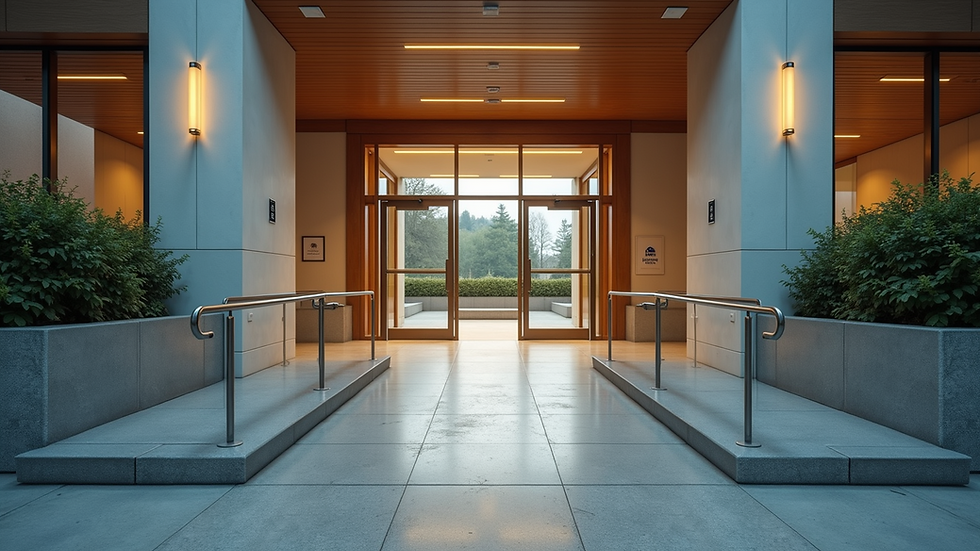
Ramps: Ramps should have a slope ratio of 1:12, meaning for every inch of height, there should be at least 12 inches of ramp run.
Restrooms
Accessible Stalls: At least one stall in a restroom should be accessible, with grab bars installed on the walls.
Sink Height: Sinks should be mounted no higher than 34 inches from the floor to accommodate wheelchair users.
Parking
Accessible Parking Spaces: A certain percentage of parking spaces must be designated as accessible. These spaces should be located close to building entrances.
Signage: Accessible parking spaces must be clearly marked with appropriate signage.
Signage and Communication
Visual and Tactile Signage: Signs should include both visual and tactile elements, such as Braille, to assist individuals with visual impairments.
Clear Communication: Ensure that all information is presented in a clear and concise manner.
Practical Steps for Compliance
Navigating ADA codes can be simplified by following these practical steps:
Conduct an Accessibility Audit
Start by assessing your current facilities. Identify areas that do not meet ADA standards and prioritize them for improvement. Consider hiring a professional who specializes in accessibility audits for a thorough evaluation.
Develop an Action Plan
Once you've identified areas for improvement, create a detailed action plan. This plan should include:
Timeline: Set realistic deadlines for completing each improvement.
Budget: Allocate funds for necessary modifications.
Resources: Identify contractors or specialists who can assist with the work.
Implement Changes
Begin making the necessary changes according to your action plan. Ensure that all modifications comply with ADA guidelines.
Train Staff
Educate your staff about the importance of accessibility and how to assist individuals with disabilities. This training can enhance the overall experience for all customers.
Common Challenges and Solutions
While striving for ADA compliance, you may encounter challenges. Here are some common issues and practical solutions:
Limited Space
Challenge: In older buildings, space may be limited for modifications.
Solution: Consider creative solutions such as installing vertical lifts or rearranging furniture to create accessible pathways.
Budget Constraints
Challenge: Financial limitations can hinder compliance efforts.
Solution: Look for grants or funding opportunities specifically aimed at improving accessibility. Additionally, prioritize changes that will have the most significant impact.
Resistance to Change
Challenge: Some staff or stakeholders may resist changes.
Solution: Communicate the benefits of accessibility, not just from a legal standpoint but also in terms of customer satisfaction and business growth.
Real-World Examples
Case Study: A Local Restaurant
A local restaurant faced challenges with accessibility. The entrance had a steep step, and the restroom was not equipped for wheelchair users. After conducting an accessibility audit, the owners decided to:
Install a ramp at the entrance.
Redesign the restroom to include accessible stalls and grab bars.
As a result, the restaurant not only complied with ADA standards but also attracted more customers, including those with disabilities.
Case Study: A Community Center
A community center wanted to enhance its accessibility features. They implemented the following changes:
Created accessible parking spaces.
Installed visual and tactile signage throughout the facility.
These modifications improved the center's usage by individuals with disabilities, fostering a more inclusive community environment.
Resources for Further Assistance
Navigating ADA codes can be complex, but numerous resources are available to assist you:
ADA National Network: Offers information, guidance, and training on ADA compliance.
U.S. Access Board: Provides detailed guidelines and resources for accessibility standards.
Local Advocacy Groups: Many communities have organizations dedicated to advocating for individuals with disabilities. They can provide valuable insights and support.
Conclusion
Building accessibility is not just about meeting legal requirements; it’s about creating inclusive environments where everyone can thrive. By understanding ADA codes and implementing necessary changes, you can ensure that your spaces are welcoming to all. Start with an accessibility audit, develop a clear action plan, and engage your staff in the process. Remember, accessibility is an ongoing commitment that benefits everyone.
Take the first step today towards making your environment accessible and inclusive for all individuals.

Comments